Cape Verde: Tarrafal Concentration Camp
Experiences
Culture & history
Entry tickets
Landmarks & monuments
Tours
Wheelchair accessible
Archaeology
Communist history
Sightseeing
World War II
Educational activities
Museums & exhibitions
Visit the Tarrafal Concentration Camp in Cape Verde with this entry ticket. Explore the preserved cells, courtyards, and dormitories of the camp and learn about the struggles of political prisoners.
Highlights
- Experience the history of Cape Verde at the Tarrafal Concentration Camp
- Learn about the struggles of political prisoners during the dictatorship
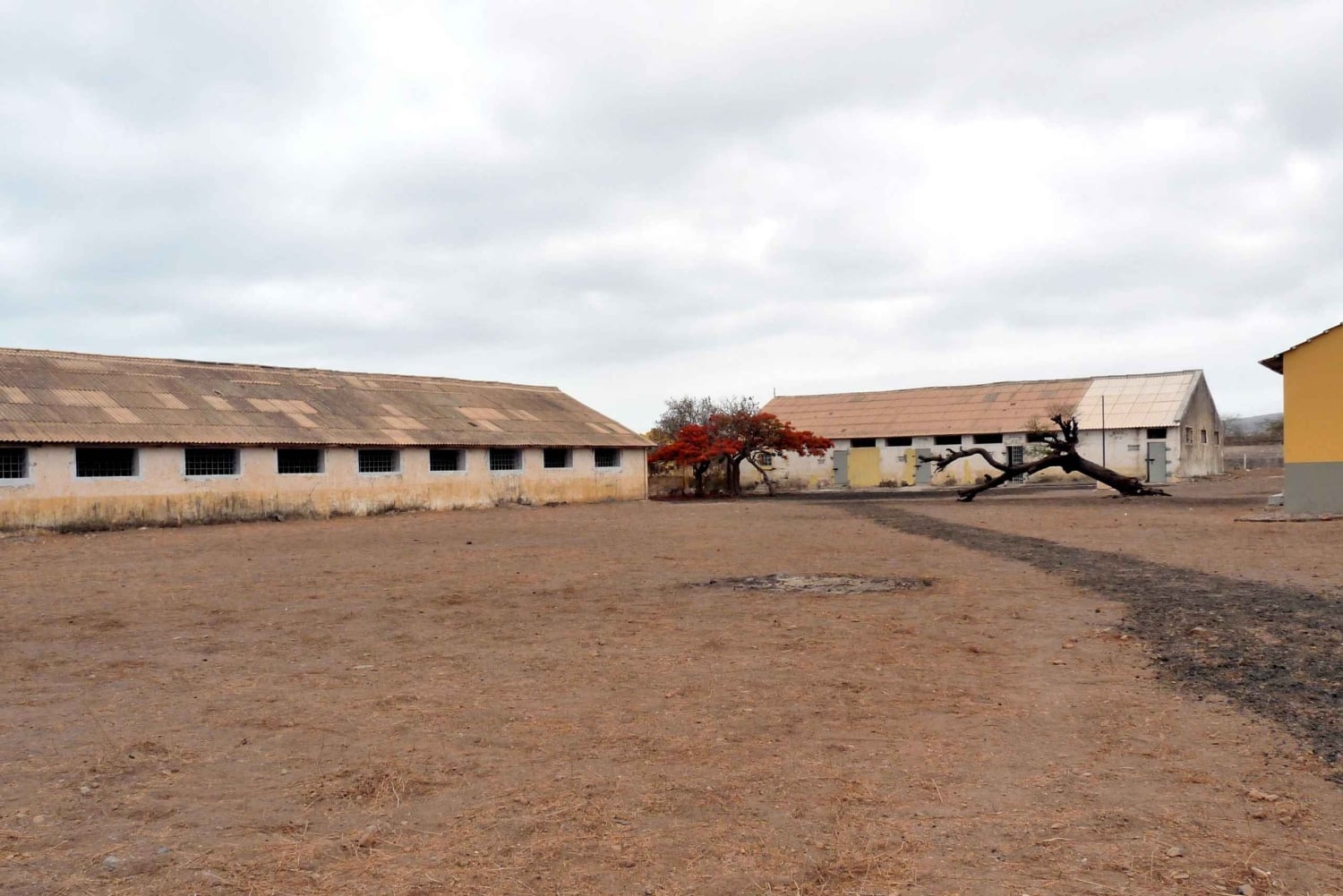
- Explore the preserved cells, courtyards, and dormitories of the camp
- Reflect on the importance of freedom and human rights in a living museum
- Discover the stories of resistance and courage in the face of oppression
Description
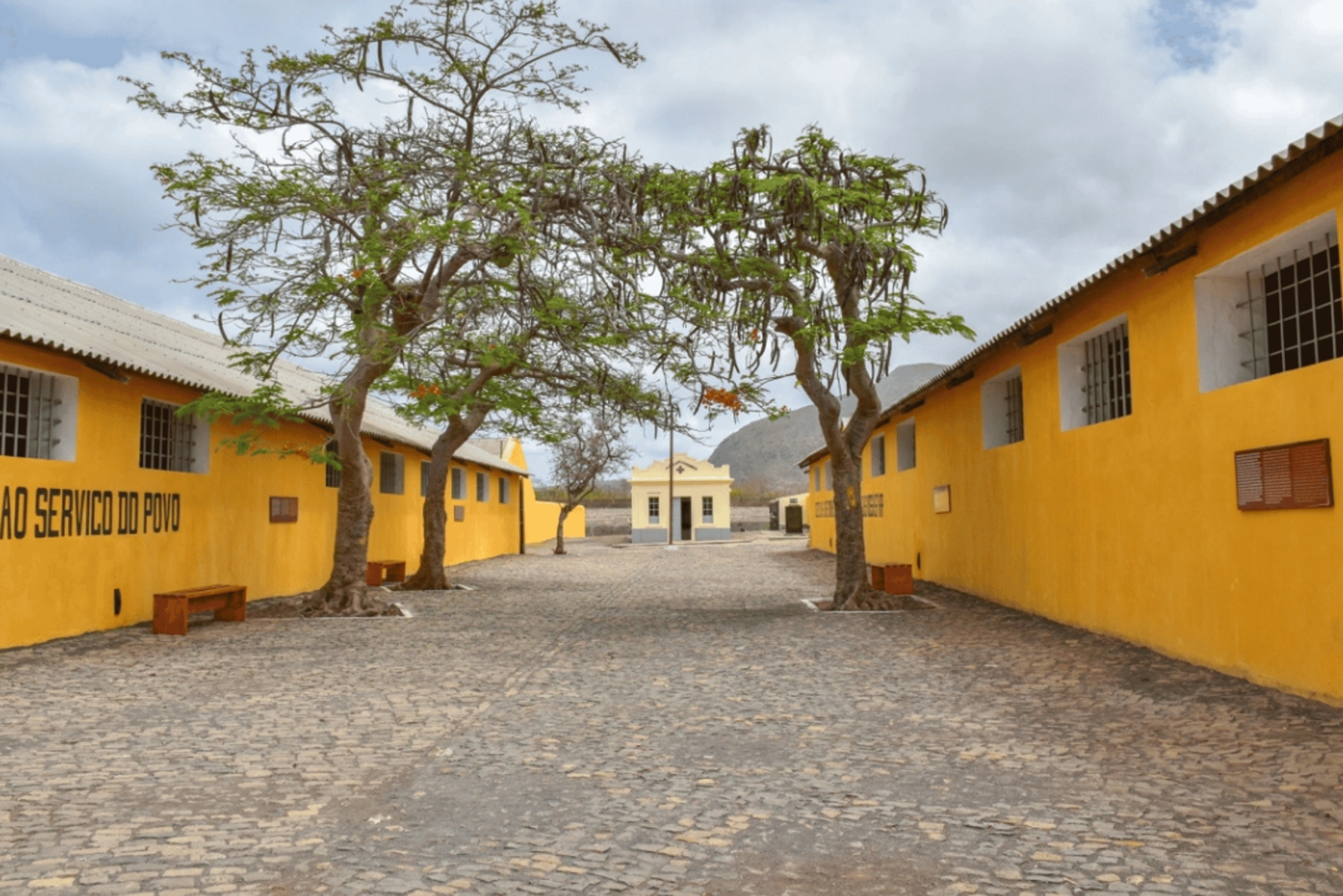
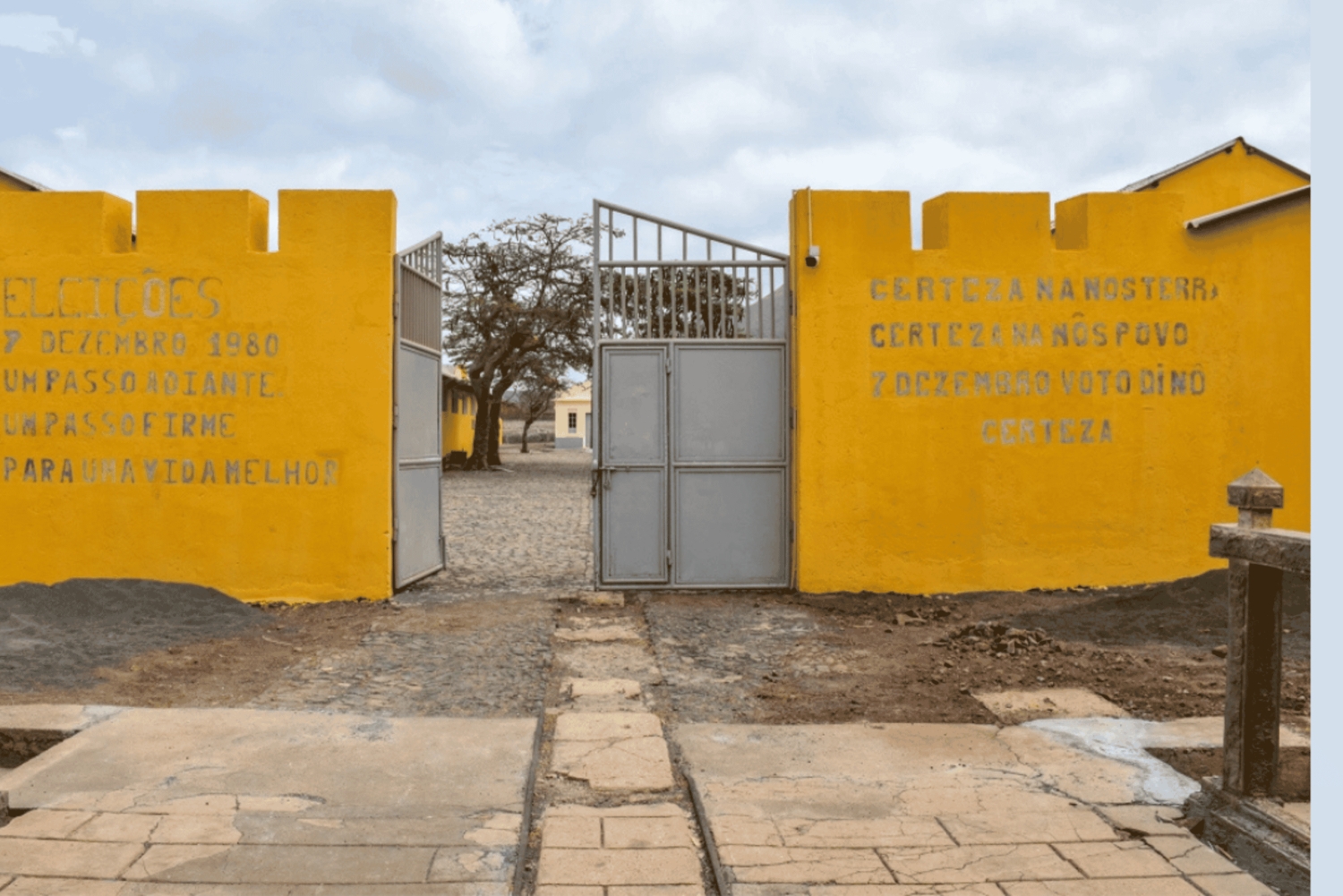
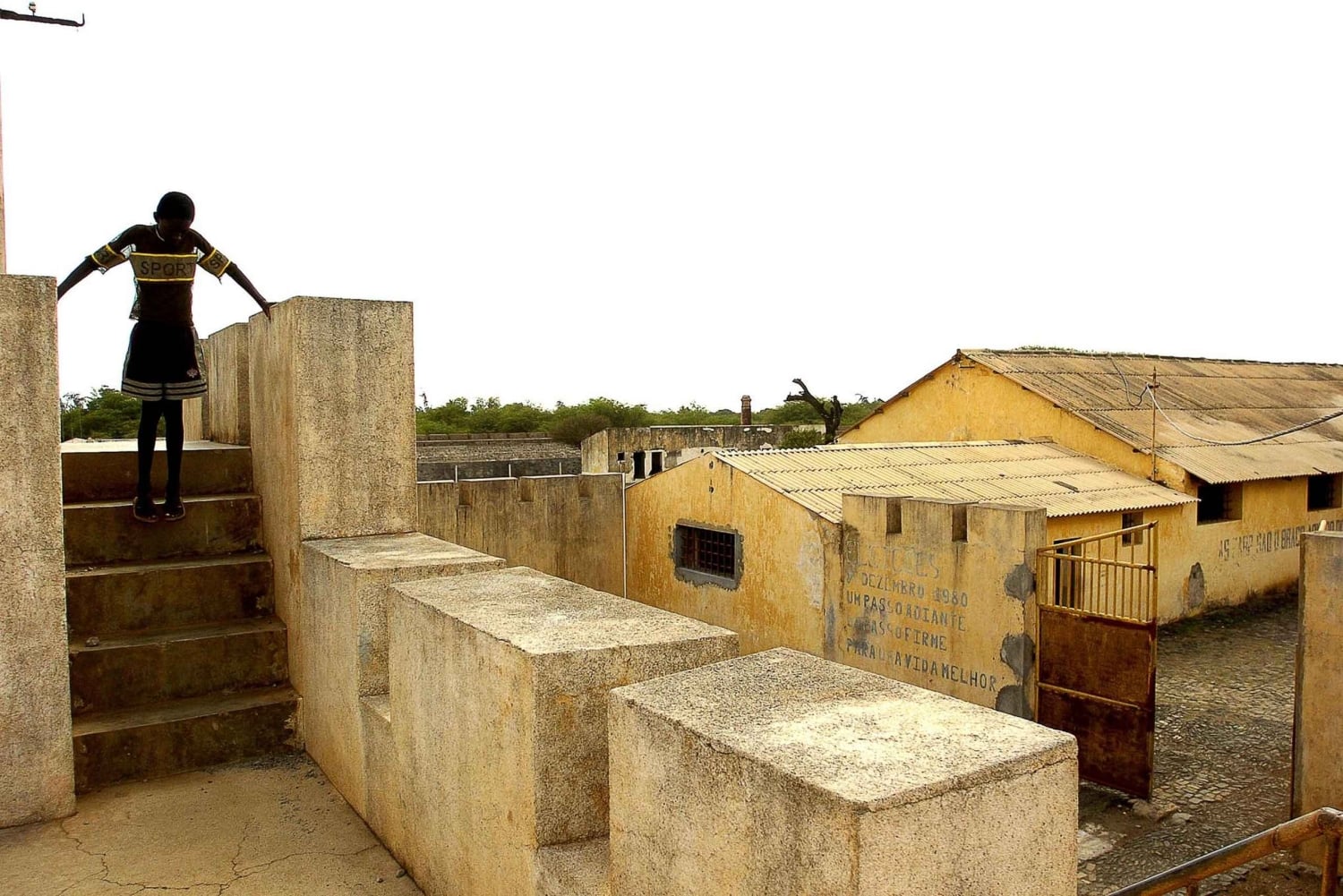
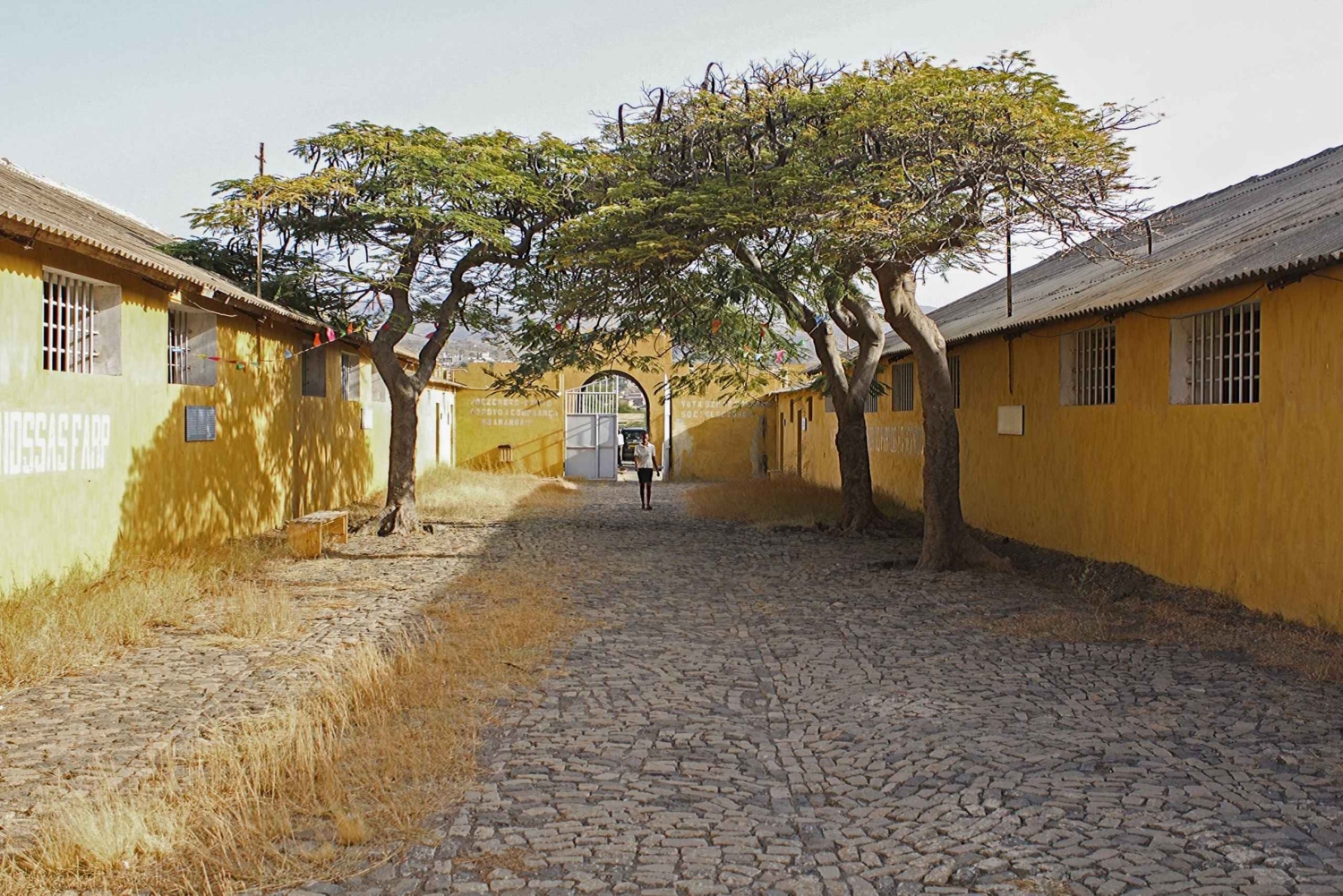
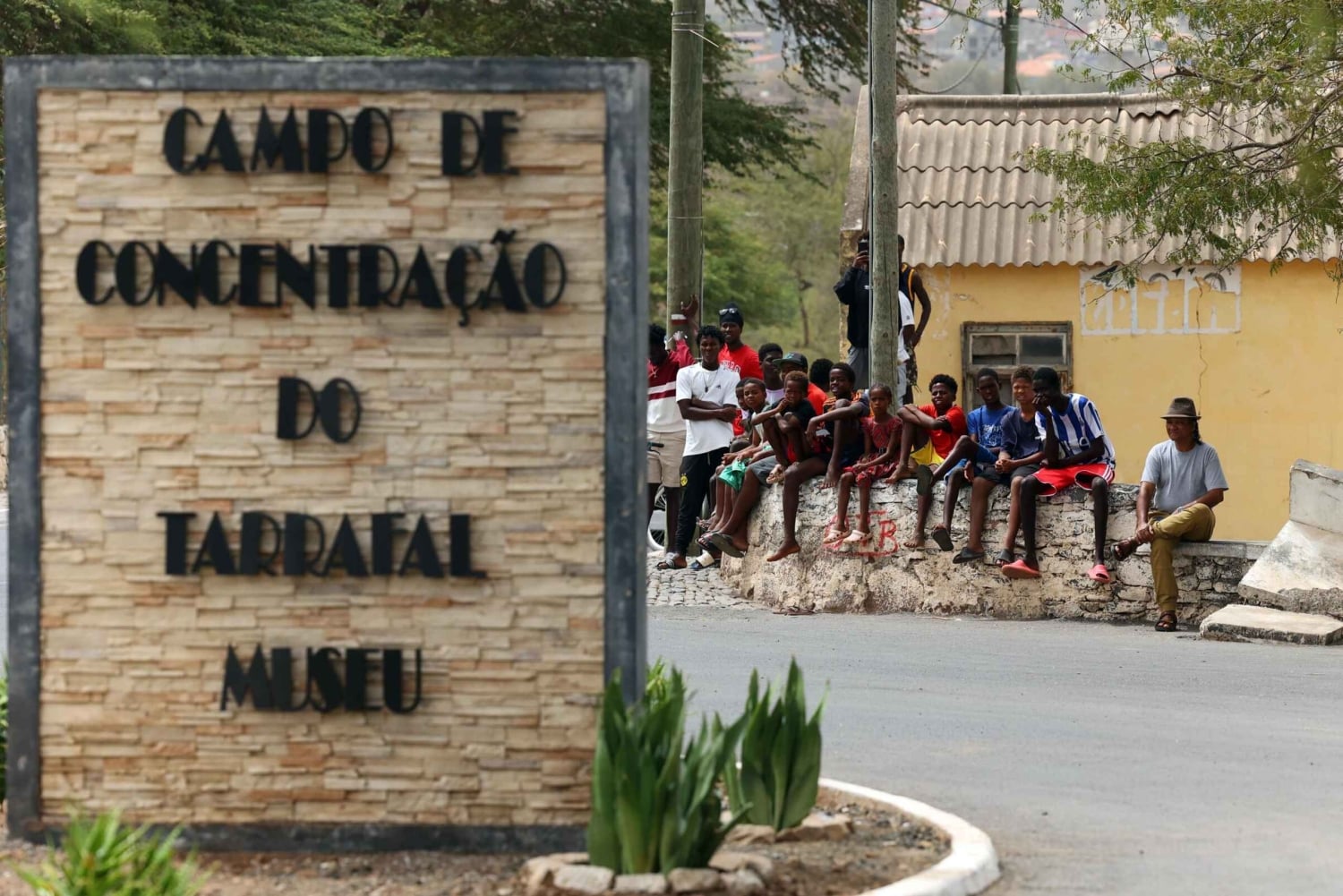
Visit the Tarrafal Concentration Camp, also known as the “Camp of Slow Death,” on Santiago Island. Explore a site of memory, reflection, and tribute to those who suffered there, and a symbol of the struggle for freedom. Learn about the camp, created in 1936 during the dictatorship of António de Oliveira Salazar in Portugal. Discover how political opponents were sent to Tarrafal, thousands of kilometers away from home, with the goal of being isolated and silenced. Hear about the intense heat, lack of basic living conditions, and harsh punishments that turned the site into a true nightmare for the prisoners. Find out how, in the 1960s, the camp was reopened to hold fighters and independence activists from Angola, Guinea-Bissau, and Cape Verde, who were engaged in the struggle against Portuguese colonialism. Explore the former cells, the so-called “frigideira” (a punishment cell exposed to the scorching sun), the courtyards, and the dormitories, preserved so that people can experience firsthand the harsh conditions endured by the prisoners.Includes
Access to the Museum of Resistance Visit to former cells and punishment cell 'frigideira' Access to courtyards and dormitoriesImportant Information
- The site is a place of historical significance and reflection Visitors are encouraged to reflect on the importance of freedom and human rights The museum is a symbol of resistance and hope